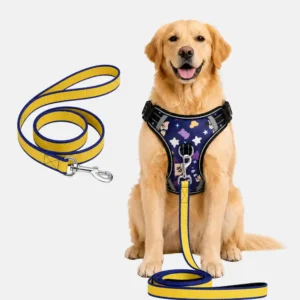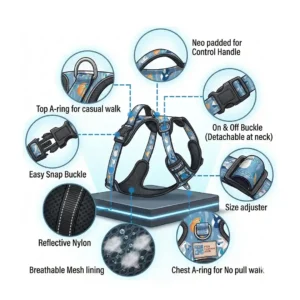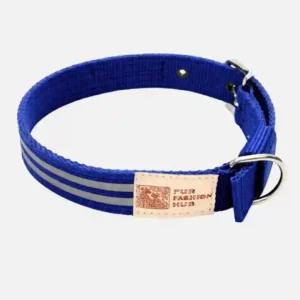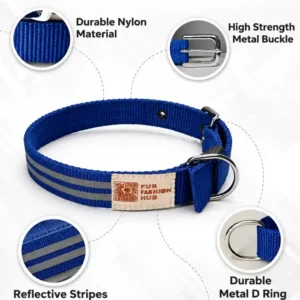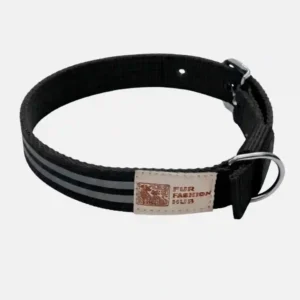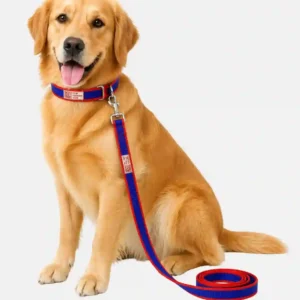
The dog collar is worn by your pet on a daily basis and remains on your pet’s neck while you take them for walks, engage in other types of outdoor activities, and potentially even while in your house. Therefore, selecting the correct collar for your pet goes beyond simply selecting a color or style that you find attractive.
The type of material used for a dog’s collar will have an effect on how comfortable your dog is, how safe your dog is, how long-lasting the collar is, and ultimately how positive the experience is for both of you.
If a collar looks great but is uncomfortable to wear, it may create discomfort for your dog, which can lead to negative feelings about wearing the collar. On the other hand, if a collar is made with high-quality materials and designed appropriately, walking with your dog will be much more enjoyable and comfortable.
Table of Contents
Why Is The Type Of Material Important?
Let us understand some of the reasons why the type of material used in a dog’s collar is important.
1) Comfort is important for your dog
Dogs remain active all day long. They will run, jump, play, and check out new areas. If a dog has a collar rubbing on their neck constantly, it will eventually hurt them, especially if they wear it for a very long period of time.
Soft and comfortable materials are generally a more suitable option for daily wear. They will likely be less irritating to the skin around your dog’s neck than other types of materials.
If your dog has sensitive skin and you use a rough dog collar often, it may lead to redness or irritation around the neck. So when you are picking out a collar, do more than see how it looks. Hold the material in your hand and feel if it is soft and comfortable.
It’s up to you as a pet owner to select a collar for your dog that fits comfortably. Since dogs cannot communicate to us when they are uncomfortable wearing their collars, we must use our best judgment.
2) Strong Materials Mean a Longer Life Span
Dogs are often much stronger than you would expect them to be. A dog that is quite small can still exert force on its owner by pulling on the leash, jumping up, or running off unexpectedly if it spots something that catches its attention.
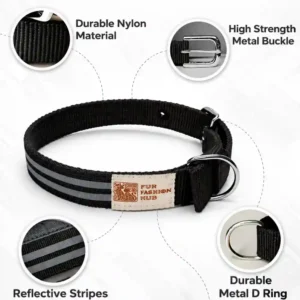
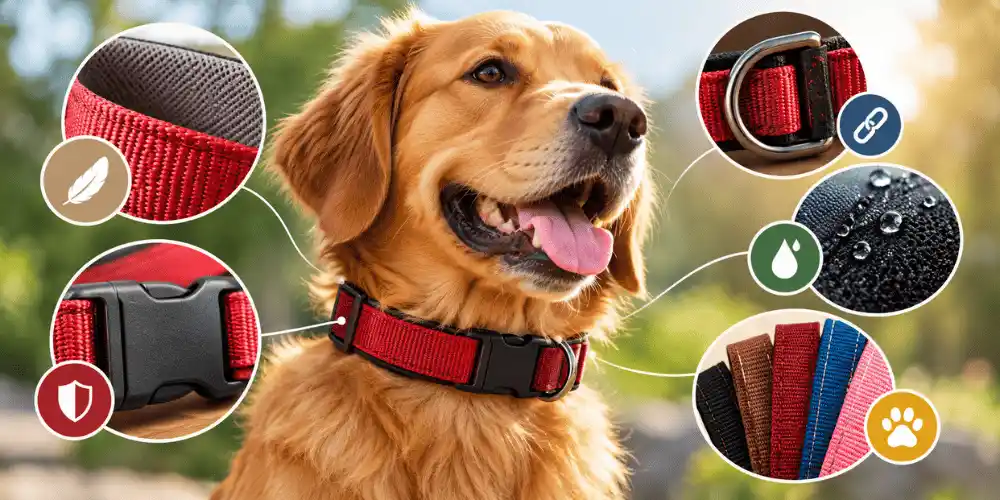
A quality collar can withstand normal use, and it will not become loose, get damaged easily, or wear down rapidly. Additionally, the materials used to create the collar must function properly with the other components such as the buckle, stitching, and D-ring.
A collar that is being replaced after only a brief amount of time can’t possibly be a smart purchase because you will most likely have to replace it multiple times.
The durability of a collar is essential for the amount of walking you do each day, as well as how often you engage in other types of activities.
Different Types Of Dog Collar Materials
Dog collars are created using various kinds of materials such as nylon, polyester, leather, etc. But let us tell you about the most popular types of materials that are used to create dog collars.
Nylon Dog Collar:
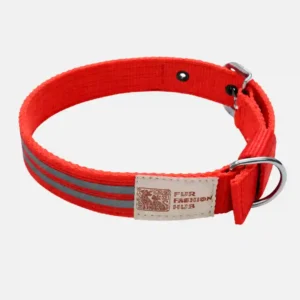
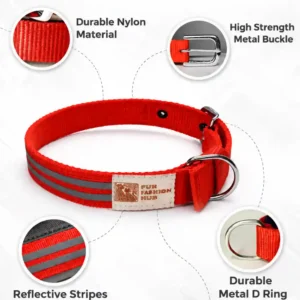
The reason why nylon collars are so well-liked is that they are usually very lightweight, sturdy, and can be easily kept clean. Since there are so many different colors and styles of nylon collars to choose from, you can find one that fits your dog’s personality for everyday walking.
Polyester Dog Collar:
Polyester is another common material that offers high durability, ease of care, and versatility in terms of color, design, pattern, etc.
Leather Dog Collar:
The classic style of leather collars is what many people love. However, you will need to take extra care of your dog’s leather collar.
There is not one type of material that is ideal for each dog. What you decide to use will be based upon the dog’s size, how they live, how active they are, and what you want from the product.
Material Can Affect How Your Dog Looks
If the material used in making the dog collar is rough, has bad finishing, or is not right for your dog, then your dog will keep rubbing the area and get irritated. If you see your dog constantly scratching at their neck, take a look at their collar. Check for evidence of rubbing, raw areas, broken hair, or damage to the fabric of the collar.
The issue with a collar may sometimes lie within how well it fits. For example, if a collar is too small (or too large) for a dog, then this can cause issues. In addition to being the right size, the material used in making the collar is also important.
A great collar is one that is both secure and comfortable; it shouldn’t be too stiff or abrasive for your dog’s neck.
This is particularly significant when your dog takes extended strolls or spends a great deal of time outside.
The objective of buying a dog collar is quite simple: you want your dog to be comfortable during the walk and not constantly distracted by his collar.
Where Does Your Dog Spend Most Of Her Time?
If your dog enjoys spending time outside and getting muddy or wet, selecting a type of material that will allow for simple cleanup can be beneficial.
A collar that is easy to clean will make keeping up with your dog’s dirtiness easier and won’t irritate you by spending a lot of time cleaning the collar.
When it comes to dogs who have extended periods of time outside, durability is another key factor. A dog’s collar needs to withstand consistent use in daily outdoor environments.
Indoor dogs who primarily walk short distances find comfort and lightweight materials to be of higher priority.
Don’t Forget About The Buckle And D-ring
It is common for people to pay close attention to just the primary materials used in making a dog collar. However, all components of the collar are equally significant.
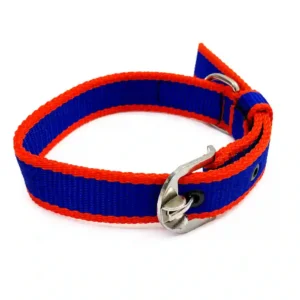
The D-ring is an essential component as well. The D-ring is typically used to connect a leash or ID tag to the dog collar. The quality of a collar depends not only on the strength of its collar material, but also on how well the buckle and D-ring are connected to that collar.
Judge the whole item and don’t make your decision based on how it looks. The ideal collar will provide both strength and comfort. Many dog owners choose their pet’s collar solely based upon its strength.
Strength is important. However, you do not want to use a collar that will make your dog unhappy to wear. In addition to being too soft to support your pet if they are active, a soft collar can also cause discomfort to your dog when he moves around.
So a well-balanced combination of durability, strength, and comfort is most likely the optimal choice.
What is your dog’s regular day-to-day life like? Is your dog energetic? Will your dog pull when walking with you on the leash? How much time does your dog spend outside? Does your dog have sensitive skin?
Questions like these can assist in choosing the most appropriate type of collar.
Regularly Examine Your Dog’s Neckband
A high-quality collar requires inspection at some point in time. Look for any loose threads, damaged edges, cracks, stretching materials, or the failure of a buckle to work as it should.
If the collar is showing significant signs of wear, replacing the collar would be a much better option than continuing to use the collar.
Checking the dog collar on a regular basis (every few weeks) will allow you to catch issues before they turn into major problems.
Make sure that the collar is always fitting properly on your dog, even as he grows and changes shape.